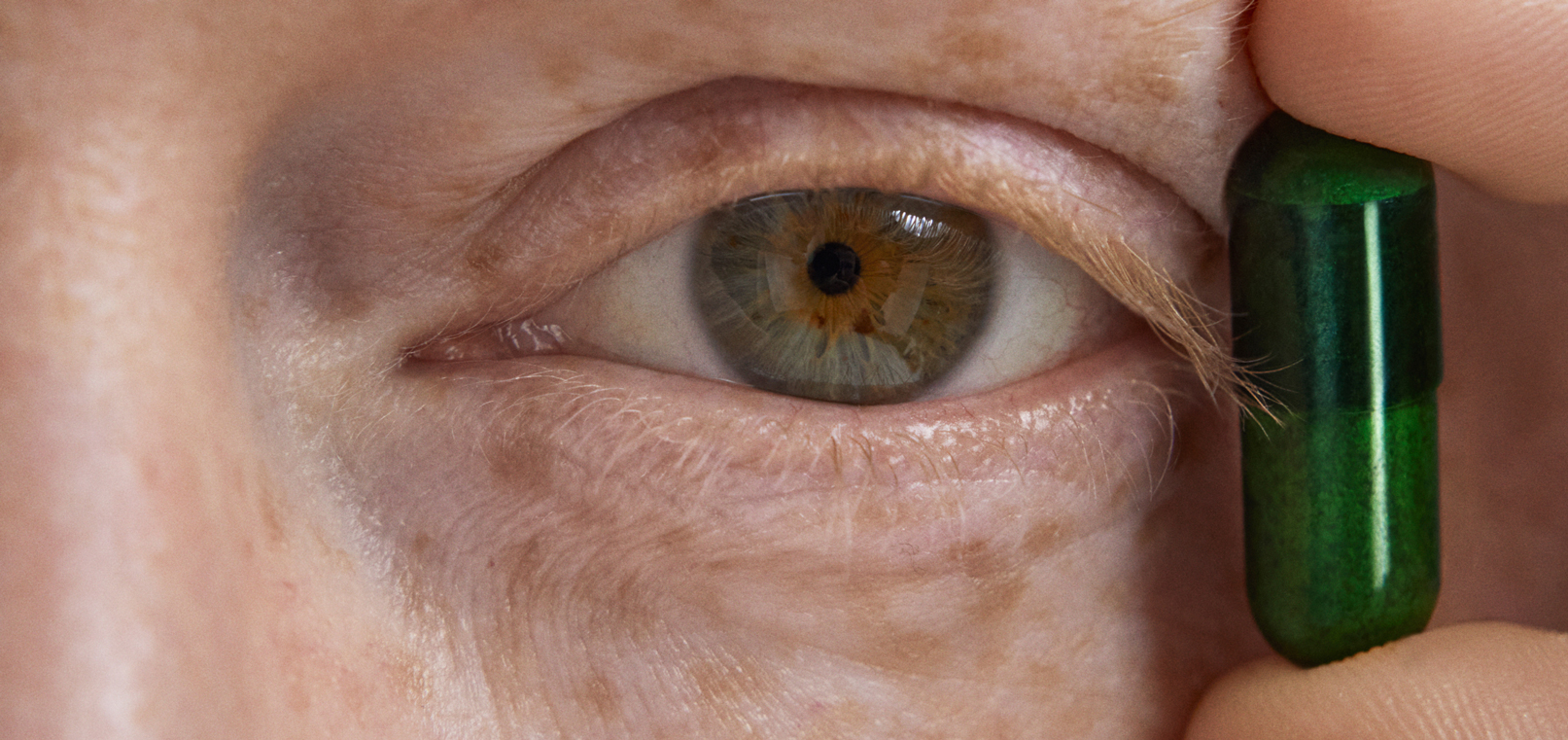
The Gut-Brain Axis How Probiotics Influence Mood and Stress
Ever feel like your stomach is tied in knots before a big presentation, or maybe experience a mood dip after indulging in junk food? It's not just in your head (or gut!). These experiences highlight the intricate connection between your gut and your brain, a relationship known as the gut-brain axis. Understanding this axis and the role of probiotics can be a game-changer for managing mood, stress, and overall well-being, particularly for those in demanding fields like engineering.
Understanding the Gut-Brain Axis
The gut-brain axis is a bidirectional communication network linking the central nervous system (CNS) – your brain – with the enteric nervous system (ENS) – the "brain" of your gut. This complex system uses neural, hormonal, and immunological pathways to constantly exchange information. This communication influences everything from digestion and immunity to mood and cognitive function.
Think of it like a sophisticated data highway between your brain and your gut. When your gut is happy, it sends positive signals to your brain. Conversely, when your gut is struggling, it can trigger stress responses and mood changes. This interplay is crucial for maintaining both physical and mental health.
Key Players in the Axis
Several factors contribute to the functioning of the gut-brain axis:
- The Vagus Nerve: The longest cranial nerve, acting as a direct communication line between the gut and the brain.
- Gut Microbiota: The trillions of bacteria, fungi, viruses, and other microorganisms residing in your gut. These microbes produce neurotransmitters and other compounds that influence brain function.
- Neurotransmitters: Chemical messengers like serotonin, dopamine, and GABA are produced in the gut and play key roles in mood regulation, stress response, and cognitive function.
- Short-Chain Fatty Acids (SCFAs): Produced when gut bacteria ferment dietary fiber, SCFAs have anti-inflammatory and neuroprotective effects.
The Role of Probiotics
Probiotics are live microorganisms that, when administered in adequate amounts, confer a health benefit on the host. Essentially, they're beneficial bacteria that can positively influence your gut microbiota composition. By introducing these "good" bacteria, you can improve gut health and, in turn, positively impact your mood and stress levels.
Imagine probiotics as a team of skilled engineers repairing a bridge (your gut). By reinforcing the structure and improving its functionality, they ensure smoother traffic flow (communication with your brain). This improved gut environment can lead to reduced inflammation, enhanced neurotransmitter production, and a more balanced stress response.
How Probiotics Impact Mood and Stress
The mechanisms by which probiotics influence mood and stress are multi-faceted:
- Reducing Inflammation: Chronic inflammation is linked to depression and anxiety. Probiotics can help reduce inflammation in the gut, which in turn can lower systemic inflammation and improve mood.
- Boosting Neurotransmitter Production: Some probiotics can directly produce neurotransmitters like serotonin and GABA, which are crucial for mood regulation.
- Improving Gut Barrier Function: A leaky gut (increased intestinal permeability) can allow harmful substances to enter the bloodstream, triggering inflammation and affecting brain function. Probiotics can help strengthen the gut barrier.
- Modulating the HPA Axis: The hypothalamic-pituitary-adrenal (HPA) axis is the body's stress response system. Probiotics can help regulate the HPA axis, reducing the body's response to stress.
Choosing the Right Probiotics
Not all probiotics are created equal. Different strains of probiotics have different effects. Some are better for digestive health, while others are more effective at improving mood and reducing stress. Consider your specific needs and consult with a healthcare professional to choose the right probiotic supplement for you.
Think of it like choosing the right tool for a specific engineering task. A wrench won't work if you need a screwdriver. Similarly, a general probiotic might not address your specific mood or stress concerns. Look for probiotics that have been specifically studied for their effects on mental well-being.
Food Sources of Probiotics
While supplements are a convenient option, you can also incorporate probiotics into your diet through fermented foods like:
- Yogurt (with live and active cultures)
- Kefir
- Sauerkraut
- Kimchi
- Kombucha
These foods not only provide probiotics but also offer other beneficial nutrients.
Practical Applications for Engineers
Engineers often face high-pressure environments, long hours, and demanding projects. Managing stress and maintaining a positive mood are crucial for optimal performance and overall well-being. Incorporating probiotics into your routine can be a simple yet effective strategy for improving your resilience and cognitive function.
Consider this: a stressed engineer might make more errors, experience reduced creativity, and struggle with problem-solving. By supporting their gut health with probiotics, they can potentially improve their focus, reduce anxiety, and enhance their overall performance. It's like optimizing the engine for peak efficiency!
Example Routine for Engineers
- Start the day with a probiotic-rich breakfast: Yogurt with berries and nuts is a great option.
- Incorporate fermented foods into your diet: Add kimchi to your lunch or enjoy a glass of kombucha in the afternoon.
- Consider a probiotic supplement: If you're not getting enough probiotics through your diet, a supplement can be a helpful addition.
- Prioritize stress management techniques: Combine probiotics with other stress-reducing activities like exercise, meditation, and spending time in nature.
FAQs About Probiotics and the Gut-Brain Axis
What are the potential side effects of taking probiotics?
Probiotics are generally considered safe for most people. However, some individuals may experience mild side effects such as gas, bloating, or diarrhea, especially when first starting to take them. These side effects usually subside within a few days.
How long does it take to see the effects of probiotics on mood?
It can take several weeks or even months to see noticeable effects on mood and stress levels. Consistency is key. It's important to take probiotics regularly and maintain a healthy lifestyle to maximize their benefits.
Can probiotics cure anxiety or depression?
Probiotics are not a cure for anxiety or depression, but they can be a helpful tool in managing these conditions. They should be used in conjunction with other therapies, such as medication, therapy, and lifestyle changes.
Are all probiotic strains the same?
No, different strains of probiotics have different effects. Some strains are more effective at improving digestive health, while others are more effective at improving mood and reducing stress. Research the specific strains in a probiotic supplement to understand its potential benefits.
Can I get enough probiotics from food alone?
It's possible to get probiotics from fermented foods, but the amount and type of probiotics can vary widely depending on the food and preparation method. A probiotic supplement can provide a more consistent and reliable source of beneficial bacteria.
Should I consult a doctor before taking probiotics?
If you have any underlying health conditions or are taking medications, it's always a good idea to consult with a healthcare professional before taking probiotics. They can help you choose the right probiotic supplement and ensure it's safe for you.
Conclusion
The gut-brain axis is a powerful connection that significantly impacts our mental and physical well-being. By understanding this relationship and incorporating probiotics into our routine, we can take proactive steps to manage stress, improve mood, and enhance overall cognitive function. For engineers and other professionals in demanding fields, prioritizing gut health can be a valuable strategy for achieving peak performance and maintaining a balanced life. So, nurture your gut, nurture your brain, and unlock your full potential!
Posting Komentar untuk "The Gut-Brain Axis How Probiotics Influence Mood and Stress"