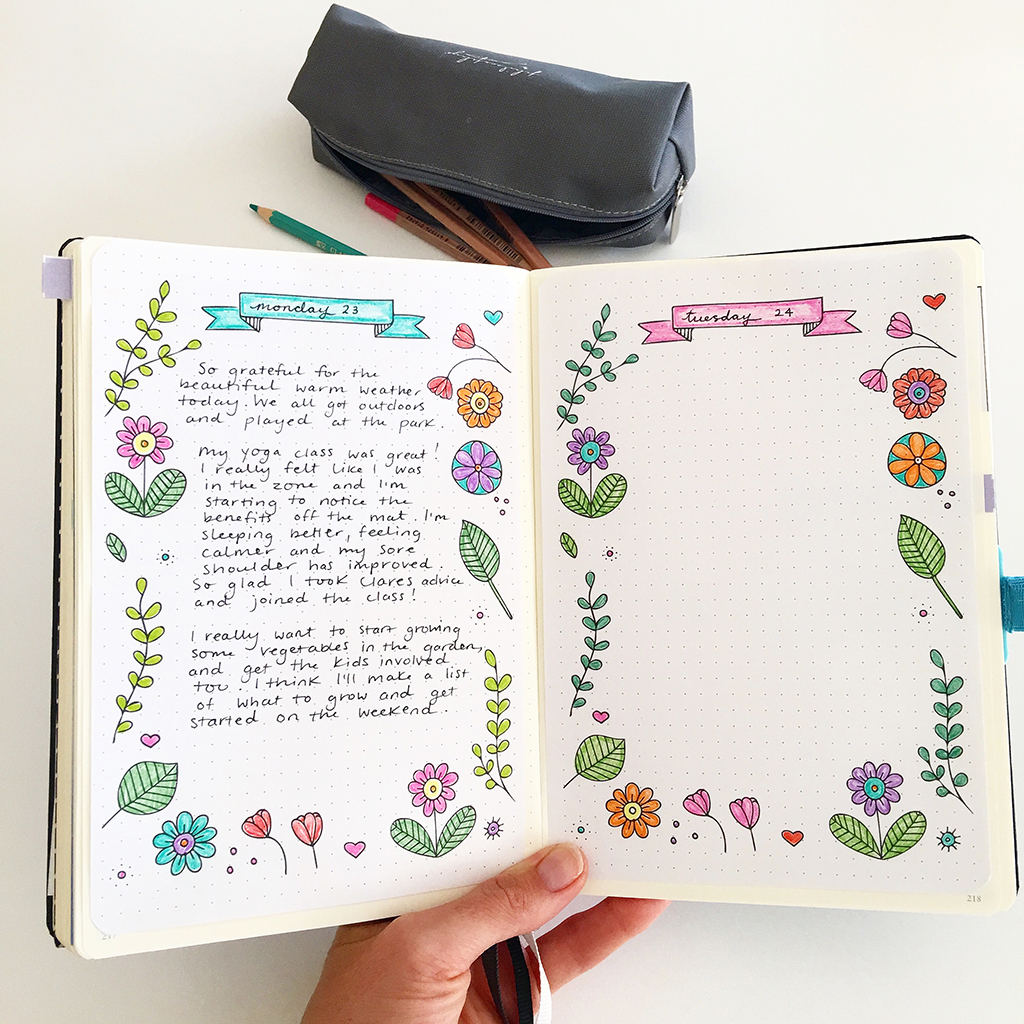
Journaling for Mental Clarity: 10 Prompts to Process Trauma
Have you ever found yourself driving, your hands gripping the wheel a little too tight, replaying a stressful event in your mind? Maybe it was a near-miss accident, a difficult conversation at work, or a lingering memory from the past. Trauma, big or small, can impact our mental state and influence how we react to everyday situations. Taking the time to process these experiences is vital for our well-being, and journaling can be a powerful tool to help us do just that.
The Power of Journaling for Healing
Journaling isn't just about recording daily events; it's a chance to explore your thoughts and emotions in a safe and private space. It allows you to identify triggers, understand your reactions, and develop coping mechanisms. For anyone, especially those in high-pressure fields, like automotive engineering and design, the ability to manage stress and process difficult experiences is critical for both mental health and professional performance.
Think of it as performing a crucial failure analysis, but instead of examining a car part, you're examining your own internal landscape. This introspective approach can lead to significant breakthroughs in understanding and healing.
10 Journal Prompts for Trauma Processing
These prompts are designed to guide you through the process of reflecting on and processing traumatic experiences. Remember, there's no right or wrong way to answer; just be honest with yourself and allow your thoughts to flow freely. If you feel overwhelmed, it's always best to consult with a mental health professional.
1. Describe the Event
Start by simply describing the event as objectively as possible. What happened? Who was involved? Where did it take place? Focus on the facts without judgment or emotional coloring. This helps to ground you in the reality of the situation.
2. What Were You Feeling During the Event?
Identify the emotions you experienced during the event. Were you afraid? Angry? Sad? Helpless? Write down as many feelings as you can recall. Understanding your emotional response is a crucial step in processing the trauma.
3. What Physical Sensations Did You Experience?
Trauma often manifests physically. Did you experience a racing heart? Sweaty palms? Muscle tension? Difficulty breathing? Noticing these physical sensations can help you connect to the event on a deeper level and understand how it affected your body.
4. What Thoughts Were Going Through Your Head?
What were you thinking during the event? Were you blaming yourself? Fearful of the future? Trying to make sense of what was happening? Capturing these thoughts can reveal underlying beliefs and patterns that contribute to your distress.
5. What Did You Learn From This Experience?
Even in the most difficult situations, there are often lessons to be learned. What did this experience teach you about yourself, others, or the world? Identifying these lessons can help you find meaning and purpose in the aftermath of trauma.
6. How Has This Event Changed You?
Consider how the event has impacted your life. Has it changed your perspective, your relationships, or your priorities? Acknowledging these changes is important for understanding your current self.
7. What Are You Most Proud of in How You Handled the Situation?
Focus on your strengths and resilience. What did you do well in the face of adversity? Acknowledging your positive actions can boost your self-esteem and help you recognize your ability to cope.
8. What Could You Have Done Differently?
This isn't about self-blame; it's about identifying areas for growth. Is there anything you could have done differently that might have improved the situation or your response to it? Learning from past mistakes can help you feel more empowered in the future.
9. What Do You Need to Forgive Yourself For?
Forgiveness is a crucial part of healing. Is there anything you need to forgive yourself for in relation to the event? This could be a perceived mistake, a lack of action, or anything else that you're holding onto. Letting go of self-blame can free you to move forward.
10. What Are You Grateful For?
Even in the midst of trauma, there are often things to be grateful for. Focus on the positive aspects of your life, no matter how small. Gratitude can help shift your perspective and create a sense of hope and resilience.
Journaling: Pros and Cons
Like any technique, journaling has its benefits and drawbacks. It is important to consider both sides when deciding if journaling is right for you.
Pros
- Increased self-awareness and understanding.
- Reduced stress and anxiety.
- Improved emotional regulation.
- Enhanced coping skills.
- A safe and private space for reflection.
Cons
- Can be emotionally triggering.
- May require discipline and consistency.
- Not a substitute for professional therapy.
Frequently Asked Questions
Is journaling a substitute for therapy?
No, journaling is not a substitute for professional therapy. While it can be a helpful tool for self-exploration and emotional processing, it's not a replacement for the guidance and support of a trained mental health professional. If you are struggling with significant trauma or mental health issues, it's important to seek professional help.
How often should I journal?
There's no set rule for how often you should journal. Some people find it helpful to write every day, while others prefer to do it a few times a week or even just when they feel the need. Experiment to see what works best for you.
What if I don't know what to write?
If you're feeling stuck, start by simply writing down whatever comes to mind, even if it seems random or insignificant. You can also try using prompts or focusing on a specific emotion or event. The goal is to get your thoughts flowing.
Is it okay to skip a day (or more) of journaling?
Absolutely! Life happens, and it's perfectly fine to skip a day (or more) of journaling. Don't beat yourself up about it; just pick it back up when you're ready. The most important thing is to create a sustainable practice that works for you.
What if journaling makes me feel worse?
It's possible that journaling could bring up difficult emotions and make you feel worse at first. This is a normal part of the process, but if you find that it's consistently overwhelming, it's important to seek support from a therapist or counselor.
Can I journal on my computer or does it have to be in a notebook?
You can journal in whatever format you prefer! Some people find that writing by hand in a notebook is more therapeutic, while others prefer the convenience of typing on a computer or using a journaling app. Choose the method that feels most comfortable and accessible to you.
Conclusion
Journaling can be an invaluable tool for processing trauma and promoting mental clarity. By using these prompts and committing to regular self-reflection, you can gain a deeper understanding of yourself, develop healthier coping mechanisms, and move towards healing. Just like performing routine maintenance on your vehicle, taking care of your mental well-being is essential for a smooth and fulfilling journey through life. Start writing, and start healing.
Posting Komentar untuk "Journaling for Mental Clarity 10 Prompts to Process Trauma"