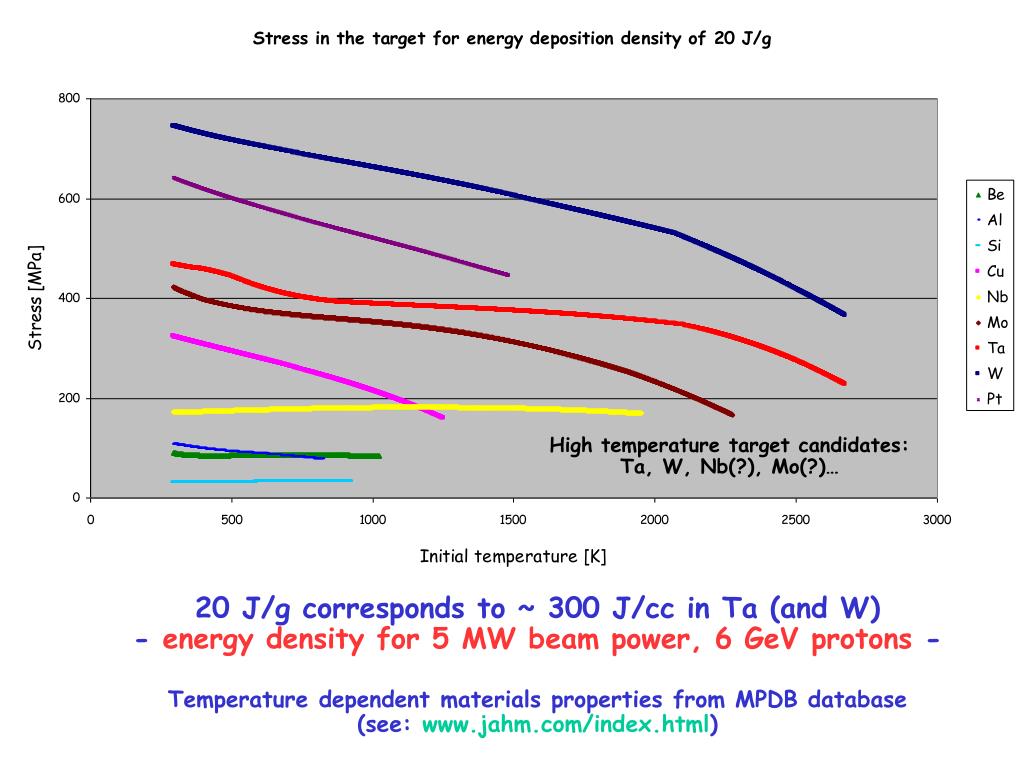
Thermal Stress Formula in Different Materials
Ever wondered why bridges have expansion joints or why your phone case feels warm after prolonged use? The culprit is often thermal stress, a critical factor in engineering design. This article delves into the thermal stress formula and its application across various materials, providing insights crucial for anyone involved in mechanical engineering, structural design, or material science.
Understanding Thermal Stress
Thermal stress arises when a material is subjected to temperature changes, but its expansion or contraction is constrained. This constraint can be due to external forces or inherent properties of the material itself, leading to internal stresses that can potentially cause material failure. Understanding how to calculate and mitigate thermal stress is vital for ensuring the longevity and safety of structures and components.
The fundamental principle behind thermal stress lies in the material's coefficient of thermal expansion, which quantifies how much a material expands or contracts per degree Celsius (or Fahrenheit) change in temperature. Different materials exhibit vastly different coefficients, making the selection of suitable materials essential in engineering applications.
What Causes Thermal Stress?
Thermal stress is generated when a material's natural tendency to expand or contract with temperature fluctuations is restricted. This restriction can come from several sources: rigid supports, the geometry of the object, or even variations in temperature within the material itself. For instance, a metal beam rigidly fixed at both ends will experience compressive stress when heated, as it tries to expand but is prevented from doing so.
Another common scenario involves composite materials or structures with dissimilar materials joined together. When subjected to temperature changes, these materials will expand or contract at different rates, creating stress at the interfaces. This is a major concern in aerospace and automotive engineering, where lightweight materials are often combined.
The Thermal Stress Formula: A Deep Dive
The thermal stress formula provides a way to quantify the stress induced in a material due to temperature changes when its expansion or contraction is constrained. The formula is remarkably straightforward yet incredibly powerful in predicting material behavior.
The formula is expressed as: σ = E α ΔT
Where:
- σ (sigma) represents the thermal stress.
- E is the Young's modulus (a measure of the material's stiffness).
- α (alpha) is the coefficient of thermal expansion.
- ΔT (Delta T) is the change in temperature.
Let's break down each component: Young's modulus (E) reflects a material's resistance to deformation under stress. A higher Young's modulus indicates a stiffer material. The coefficient of thermal expansion (α) indicates how much a material's size changes per degree Celsius (or Fahrenheit) of temperature change. ΔT is simply the difference between the final and initial temperatures.
Step-by-Step Calculation Example
Consider a steel beam fixed at both ends. The beam has a Young's modulus (E) of 200 GPa, a coefficient of thermal expansion (α) of 12 x 10^-6 /°C, and experiences a temperature increase (ΔT) of 50°C. To calculate the thermal stress (σ), we simply plug the values into the formula:
σ = (200 x 10^9 Pa) (12 x 10^-6 /°C) (50°C) = 120 x 10^6 Pa = 120 MPa
This calculation shows that the steel beam experiences a compressive stress of 120 MPa due to the temperature increase and constraint.
Thermal Stress in Different Materials: A Comparison
Different materials exhibit varying responses to temperature changes due to their unique physical properties. Comparing thermal stress in various materials highlights the importance of material selection in engineering design.
Metals
Metals generally possess high Young's moduli and moderate coefficients of thermal expansion. This often results in significant thermal stresses when metals are subjected to temperature variations and constrained. Steel, aluminum, and copper are commonly used in structural applications and require careful consideration of thermal stress.
Polymers
Polymers, unlike metals, typically have lower Young's moduli but significantly higher coefficients of thermal expansion. This means that while polymers deform more easily, they also expand and contract more with temperature changes. Thermal stress can be a significant concern in polymer-based components, especially in applications with large temperature swings.
Ceramics
Ceramics are known for their high stiffness and low coefficients of thermal expansion. This makes them relatively resistant to thermal stress. However, ceramics are also brittle, and even small thermal stresses can lead to fracture, particularly in the presence of defects.
Composites
Composites are engineered materials made from two or more constituent materials with significantly different physical or chemical properties. The thermal behavior of composites is complex, as it depends on the properties and arrangement of the constituent materials. Careful design is crucial to minimize thermal stress in composite structures, especially when dissimilar materials are combined.
Practical Applications and Case Studies
Understanding and mitigating thermal stress is essential in a wide range of engineering applications, from designing bridges and buildings to developing electronic devices and aerospace components.
Bridges and Buildings
Expansion joints are incorporated into bridges and buildings to accommodate thermal expansion and contraction, preventing the buildup of excessive thermal stress. These joints allow sections of the structure to move independently, reducing the risk of cracking or failure.
Electronic Devices
Electronic devices often contain components made from different materials with varying coefficients of thermal expansion. Thermal stress can lead to delamination, cracking, or failure of solder joints. Careful material selection and design techniques are crucial to ensure the reliability of electronic devices.
Aerospace Components
Aerospace components are subjected to extreme temperature variations during flight. Thermal stress can be a major concern in aircraft structures, engine components, and thermal protection systems. Advanced materials and design techniques are employed to minimize thermal stress and ensure structural integrity.
Mitigating Thermal Stress: Strategies and Techniques
Several strategies can be employed to mitigate thermal stress in engineering design. These include material selection, design optimization, and the use of stress-relieving techniques.
Material Selection
Choosing materials with low coefficients of thermal expansion or with similar coefficients can significantly reduce thermal stress. Composites can be tailored to achieve specific thermal properties, minimizing stress in critical areas.
Design Optimization
Optimizing the geometry of a component can reduce stress concentrations and improve its ability to withstand thermal stress. Rounded corners, smooth transitions, and flexible supports can help distribute stress more evenly.
Stress-Relieving Techniques
Stress-relieving techniques, such as annealing or heat treatment, can reduce residual stresses in a material, making it more resistant to thermal stress. These techniques are often used in the manufacturing of metal components.
Pros and Cons of Using Specific Materials
Choosing the right material is crucial for managing thermal stress. Each material type—metals, polymers, ceramics, and composites—has its advantages and disadvantages when it comes to thermal stress management.
Metals: Strong and ductile but prone to significant thermal stress due to their relatively high thermal expansion coefficient.
Polymers: Lightweight and flexible, but their high thermal expansion can lead to issues; they're often less durable under high stress.
Ceramics: Excellent thermal stability but are brittle and can fracture under thermal shock.
Composites: Can be engineered for specific thermal properties, balancing strength and thermal stability, but are complex to design and manufacture.
FAQs
What is the unit of thermal stress?
The unit of thermal stress is typically Pascals (Pa) or pounds per square inch (psi), which are units of pressure or stress.
How does Young's modulus affect thermal stress?
Young's modulus is directly proportional to thermal stress. A higher Young's modulus indicates a stiffer material, which will experience greater stress for the same amount of thermal strain.
What is the difference between thermal stress and thermal strain?
Thermal strain is the change in size of a material due to a change in temperature, while thermal stress is the internal stress that develops in the material as a result of being constrained and not allowed to freely expand or contract.
How do expansion joints work to reduce thermal stress?
Expansion joints are designed to allow for the thermal expansion and contraction of materials without inducing stress. They provide a physical gap that can accommodate the change in length of the material as its temperature changes.
Can thermal stress cause material failure?
Yes, thermal stress can lead to material failure if the induced stress exceeds the material's strength. This can result in cracking, deformation, or complete fracture of the component.
Is thermal stress more significant in larger structures?
Yes, thermal stress tends to be more significant in larger structures because the cumulative effect of thermal expansion or contraction is greater over longer distances, leading to higher stresses if the structure is constrained.
Conclusion
Understanding the thermal stress formula and its application across different materials is crucial for engineers and designers. By carefully considering material properties, optimizing designs, and employing appropriate stress-relieving techniques, it's possible to mitigate thermal stress and ensure the reliability and safety of structures and components. Don't underestimate the power of thermal considerations in your next project; it could be the difference between success and failure.
Posting Komentar untuk "Thermal Stress Formula in Different Materials"